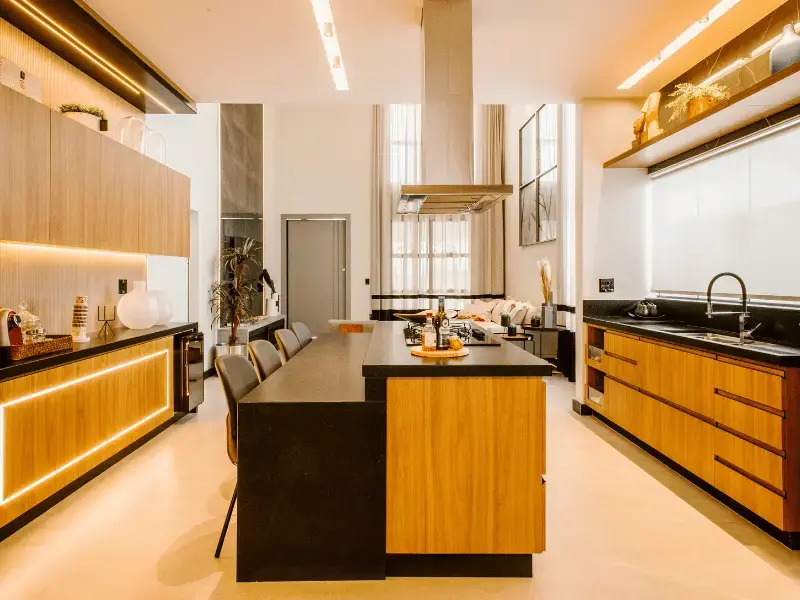
Quick Answer: For an old kitchen renovation in Asheville, start by documenting existing conditions, checking for hidden moisture/rot, and confirming electrical, plumbing, and ventilation can meet modern loads. Keep what’s worth saving (solid wood cabinets, original design elements), then redesign traffic flow and storage around how you cook today. Build a 5-10% contingency, verify permits and code compliance, and choose durable, low-maintenance surfaces. Finally, select appliances that fit the space constraints and preserve a timeless kitchen look. This approach protects your budget, timeline, and the character of your home.
Start With the “Old-Home Reality Check” (Before You Design Anything)
An Asheville historic home or older house / old house can hide big surprises behind beautiful finishes. Before you fall in love with layouts, confirm what you’re working with, especially in an old kitchen house where decades of changes may have created awkward layouts and patched systems.
A “plan-first” approach is what separates a smooth old kitchen renovation from a budget blowout. Older homes often involve space constraints, outdated systems, and layers of repairs that don’t meet today’s expectations.
If you’re gathering ideas and want guidance from the best kitchen remodeling experts, start by asking them for a conditions-first plan (photos, measurements, load checks) instead of jumping straight to finishes.
The 60-Minute Pre-Plan Walkthrough (Do This Today)
Use this quick walkthrough to spot red flags early, especially water damage / rot behind walls / rotting subfloors.
- Photograph cabinet runs, corners, and underside of sinks.
- Check floors for soft spots and cabinets for swelling.
- Open outlets cover (carefully) to look for old wiring signs.
- Run hot water and watch how fast it reaches the faucet.
- Turn on the hood (if present) and note poor capture/smoke.
Define Your Goal: Period Feel + Modern Function (Not a Theme Park)
The best “period kitchen” results aim for a period kitchen vibe without pretending you live in 1830. Think timeless kitchen one that complements the architectural style and respects original design elements, while still giving you modern lighting, safe cooking, and practical storage.
This is where old house kitchen ideas matter: you’re balancing charm with real-life use. Many successful kitchens avoid overly “perfect” modern lines and instead keep the room feeling collected over time.
Design Moves That Keep It Authentic-Looking (Without Losing Cohesion)
Here are a few high-impact moves (keep it restrained so the room doesn’t feel chaotic):
- Avoid overly uniform “showroom” symmetry; mix finishes carefully to maintain cohesion.
- Skip overuse of sharp cabinet intersections reduce fussy corners where possible.
Layout That Works in Real Life (Traffic Flow, Triangle, Clearances)
A lot of houses’ kitchen problems come from the same core issues: bad traffic flow, blocked pathways, and work zones that fight each other. Keep your plan grounded in simple layout rules:
- Use the kitchen triangle (sink–stove–refrigerator) as a starting point, not a prison.
- Build in clear pathways so multiple people can move safely.
- Maintain aisle clearance (42 inches) as a practical target for comfort in many kitchens.
Reimagine the Layout Without Over-Demolishing
Depending on your walls and structure, “right-sized” changes can deliver big wins:
- Consider opening up walls selectively to fix bottlenecks.
- If space allows, add a kitchen island for prep + landing space.
- Keep door swings and appliance doors from colliding.
Storage That Fits Older Rooms (Custom Solutions Without Overbuilding)
Older kitchens tend to underperform on storage. Smart storage can modernize daily life without making the room feel brand-new.
Key entities to incorporate in your plan:
- custom cabinetry (built to odd dimensions)
- pull-out shelves and drawers (access without kneeling)
- pull-out pantry (big storage in slim footprints)
- Lazy Susans (usable corner storage)
- adjustable shelving (future-proof organization)
If your existing solid wood cabinets are in decent shape, consider refinishing / repainting cabinets rather than replacing everything, often the best “old meets new” outcome.
Infrastructure Upgrades (The Stuff That Makes or Breaks the Project)
A beautiful plan fails fast if the bones can’t support it. Older kitchens frequently need real updates:
- outdated electrical wiring / electrical panel capacity issues
- old plumbing like plumbing (galvanized steel pipes)
- poor ventilation system performance
If you’re coordinating plumbing work, involve reliable water liner technicians early so your plan accounts for shutoffs, routing, and any necessary line updates.
Common “Old Kitchen” Surprises to Budget For
Here’s what often impacts timelines and cost:
- water damage / rot behind walls / rotting subfloors near sinks/dishwashers
- hidden DIY work that triggers code compliance updates
- unknown changes requiring local regulations / permits checks
Tip: Keep a 5–10% contingency fund for unknowns; older homes earn it.
What You Find vs. What It Usually Means
What You Notice | Likely Cause | Planning Action |
Spongy floor by sink | Moisture + rot | Probe subfloor, plan repair before cabinets |
Flickering lights when appliances run | Panel/wiring load issue | Evaluate outdated electrical wiring / electrical panel capacity |
Musty smell in base cabinets | Past leaks | Inspect for water damage / rot behind walls / rotting subfloors |
Smoke/grease lingering | Weak capture | Upgrade hood and ducting ventilation system |
Rusty/low flow hot water | Old piping | Assess plumbing (galvanized steel pipes) and replace as needed |
Countertops & Surfaces That Suit Old Homes (Durability + Style)
Older kitchens can look “right” while performing like a modern workspace. Popular durable options include:
- soapstone countertops (classic look, forgiving patina)
- wood countertop / butcher block (warmth; needs care near water)
- quartz countertops (durable, low maintenance)
- granite and marble (timeless, but stain/etch risks)
Also consider safety and comfort details like rounded countertop edges, especially in tighter older layouts.
If your project includes replacing the kitchen floor, coordinate flooring thickness and transitions with your countertop and cabinet plans to avoid awkward height differences and appliance clearance issues.
Quick Fix (Surface Planning)
If you’re unsure, choose one “hero” surface (like soapstone) and keep the rest simpler; this helps preserve a timeless kitchen feel.
Countertop Choices for an Old Kitchen Renovation
Material | Best For | Watch-Outs | Old-Home Look Factor |
Soapstone | Classic, repairable | Can darken/patina | Very high |
Butcher block | Warmth, budget zones | Water sensitivity | High |
Quartz | Low maintenance | Less “period” unless chosen carefully | Medium |
Granite | Durability | Pattern can feel busy | Medium–high |
Marble | Baking + elegance | Etching/staining | High |
Appliances Without the “Big Shiny Modern Wall” Effect
Many older-home kitchens look best when appliances don’t dominate visually. Options include:
- integrated dishwasher (panel-front blend)
- built-in refrigerator / panel-ready look (or mimic it)
- bottom freezer refrigerator as a simpler alternative
- wall ovens / double oven to save bending and improve workflow
- induction cooktops for safety and easy cleaning
- a discreet vent hood / hidden hood approach that still vents well
This is one of the biggest differences between a kitchen that feels like a period kitchen and one that looks “dropped in” from a big-box showroom.
Lighting + Visibility (Where Old Kitchens Commonly Underperform)
Good lighting makes older kitchens feel larger and safer. Use layered lighting:
- Ambient (ceiling) + task lighting + focused accents
- Keep shadows off cutting/prep zones
- If your design permits, preserve windows and leverage natural light
This is an ideal place to modernize while respecting preservation guidelines and the home’s architectural style.
The 9-Step Plan for an Old Kitchen Renovation (Order Matters)
- Document existing conditions (photos, measurements, outlet map).
- Confirm layout constraints (windows, doors, structure).
- Inspect for moisture and water damage / rot behind walls / rotting subfloors.
- Assess wiring and outdated electrical wiring / electrical panel capacity.
- Evaluate plumbing, including plumbing (galvanized steel pipes) risk.
- Plan ventilation: hood path + ventilation system performance.
- Lock layout (triangle + traffic flow + aisle clearance (42 inches)).
- Choose storage strategy (pull-outs, pantry, cabinetry).
- Finalize materials + appliances, then schedule permits/inspections.
Quick Fixes That Save Projects Mid-Stream (Use Only When Appropriate)
These aren’t “magic” but they help prevent common pain points:
- If doors bang or paths pinch: widen a passage and restore clear pathways.
- If corners eat storage: add Lazy Susans or convert to pull-out shelves and drawers.
- If smoke lingers: upgrade capture + ducting for the ventilation system.
- If counters feel cramped: add a landing zone or a small kitchen island.
Permits, Compliance, and the Asheville-Specific Piece
Any significant kitchen work can trigger local regulations / permits, especially when electrical, plumbing, or structure changes. In Asheville (and Buncombe County), planning for inspections early keeps timelines realistic and avoids “redo” work.
If you’re juggling multiple trades, align the schedule with an affordable plumbing company that can coordinate rough-ins, shutoffs, and final connections without derailing cabinet and countertop timing.
Design Variations That Fit Older Homes (Without Forcing a Style)
A good old kitchen renovation doesn’t need to mimic a museum. It should feel consistent with the house.
Use this once-only phrase set naturally:
- If you’re doing the renovation of an old kitchen, keep the historic cues and modernize function.
- For a kitchen old layout, prioritize paths and prep zones over “perfect symmetry.”
- If you like traditional kitchen renovations, balance classic materials with modern lighting and safe cooking.
- A thoughtful old house kitchen renovation respects the home’s bones and still improves daily use.
- If you’re comparing an old house kitchen remodel vs. cosmetic updates, start with infrastructure first.
- Collect kitchen ideas for older homes from real old-house layouts (not only new-build inspiration).
Call Sudo Plumbing, LLC Before You Finalize the Plan
If you’re planning an Asheville old kitchen renovation and want fewer surprises, Sudo Plumbing, LLC can help you validate plumbing readiness, protect your timeline, and keep the project moving smoothly.
Call Sudo Plumbing, LLC: (828) 676-8772
FAQs About Old Kitchen Renovation
How long does an old kitchen renovation usually take?
A typical old kitchen renovation often takes 6–12+ weeks once construction starts, depending on scope, inspections, and surprises behind walls. Older homes can add time due to wiring, plumbing, and repair work.
What should I preserve in an older kitchen if it’s still in good shape?
Preserve quality items that support a timeless kitchen, such as solid wood cabinets, original trim, and distinctive architectural details. Refurbishing can keep character while freeing the budget for infrastructure.
What’s the biggest hidden risk in old kitchens?
Hidden moisture is a major risk especially water damage / rot behind walls / rotting subfloors near sinks, dishwashers, and exterior walls. Catching it early prevents repeat repairs.
Do I need to update electrical when remodeling an older kitchen?
Often yes. Many older homes have outdated electrical wiring / electrical panel limitations that can’t safely support modern appliance loads and lighting. A load check is a smart first step.
How do I avoid a kitchen that looks too modern for an old home?
Keep the plan aligned with your home’s architectural style, choose materials with restraint, and reduce visual appliance dominance using an integrated dishwasher or panel-ready strategies.
What layout rule matters most in a tight older kitchen?
Prioritize clear pathways and comfortable movement then refine the kitchen triangle. If possible, aim for aisle clearance (42 inches) in key work zones.